
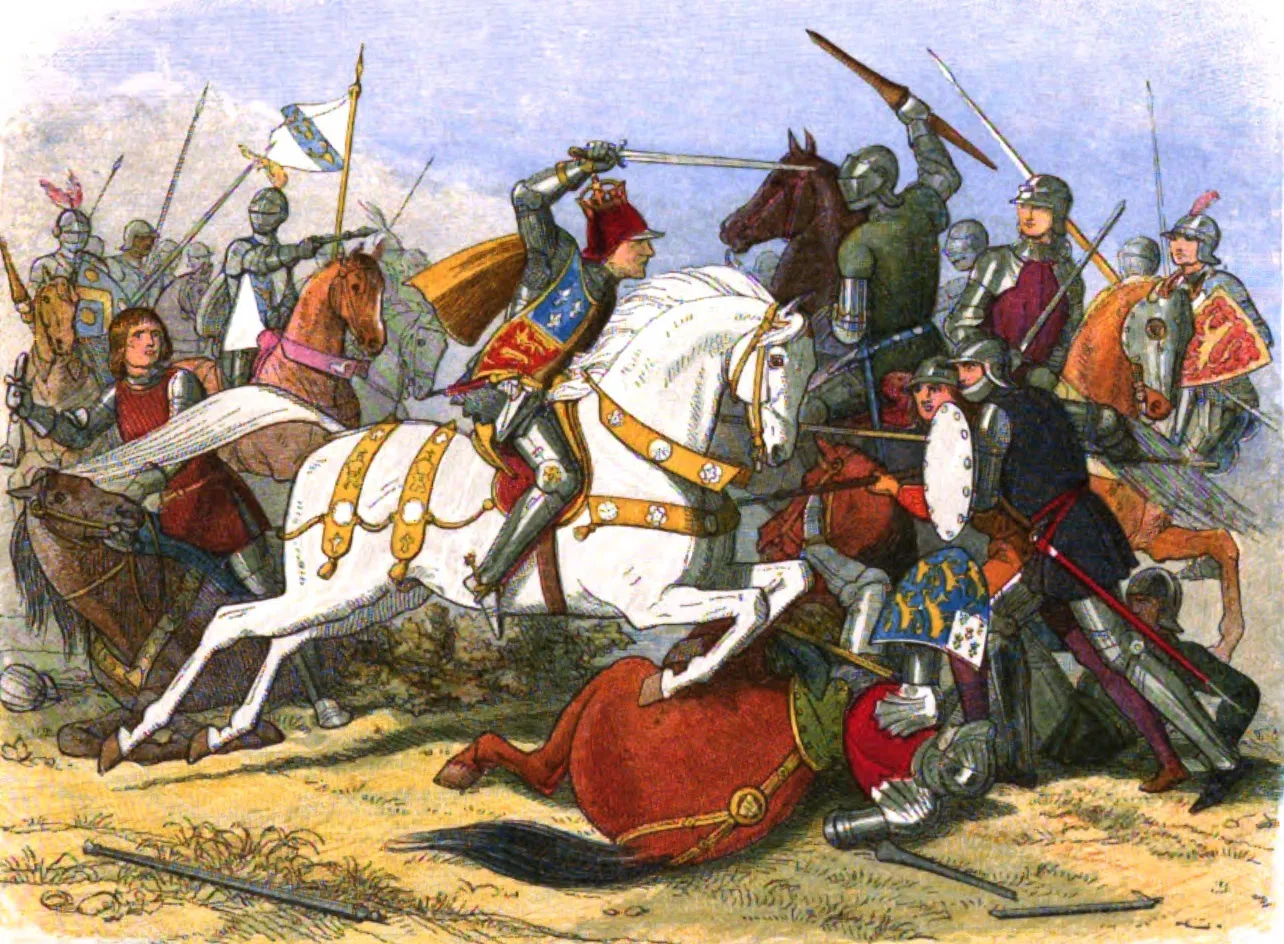
The Wars of the Roses remain one of the most defining periods in English history, a struggle for power between two rival factions: the House of Lancaster and the House of York. Fought between 1455 and 1487, this civil war was not only about kingship, but also about identity, loyalty, and symbolism. Interestingly. These elements still echo strongly in modern football culture today.
At the heart of the conflict were two symbols: the red rose of Lancaster and the white rose of York. These emblems came to represent opposing families and regional loyalties across England. The war reached its conclusion when Henry Tudor, representing Lancaster, defeated Richard III of York at the Battle of Bosworth Field in 1485. By marrying Elizabeth of York, Henry united the two houses, creating the Tudor rose, a symbol of reconciliation.
Fast forward to today, the legacy of these roses can still be seen, not on battlefields, but in football stadiums. One of the fiercest rivalries in English football, between Manchester United and Leeds United, reflects this historic divide. While the connection is not officially institutionalized, fans and cultural narratives often draw parallels between the historic North-South tensions and the identities of these clubs.

Manchester United, based in the historic county of Lancashire, can be symbolically associated with the red rose. Their iconic red kit only strengthens this connection, aligning them visually and culturally. On the other side, Leeds United, rooted in Yorkshire, naturally aligns with the white rose, a symbol that is still proudly used across the region today.
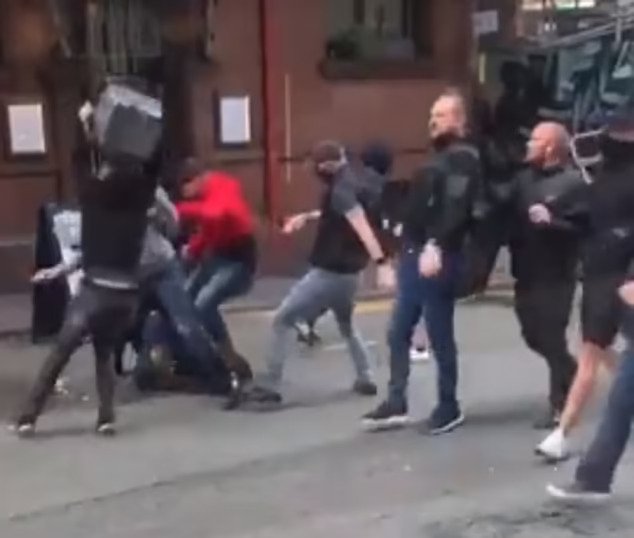
This symbolic division adds an extra layer of meaning to their encounters. Matches between these two sides are not just about points or league standings as they carry echoes of centuries-old rivalry. The passion, hostility, and pride seen in the stands mirror the deep-rooted allegiances that once divided a nation. The rivalry between Manchester United and Leeds United also has, at times, been volatile and shaped by football hooliganism, especially from the 1960s through the 1990s as the firms belonging to either club were running the scene. In many ways, football has become a modern stage where historical identities are reinterpreted and relived.
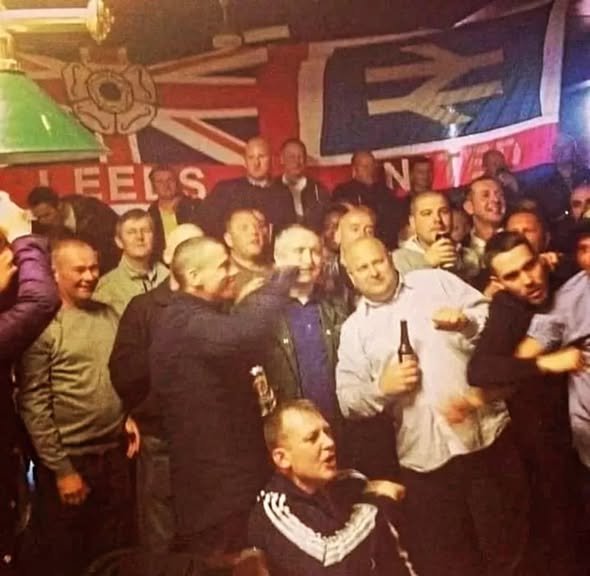
As Manchester United prepare to face Leeds United this Tuesday, the symbolism of the red and white roses feels more relevant than ever. It is a reminder that football rivalries are never just about the game. In fact, they are about history, identity, and the stories we continue to tell through sport.
In this way, the Wars of the Roses live on.