
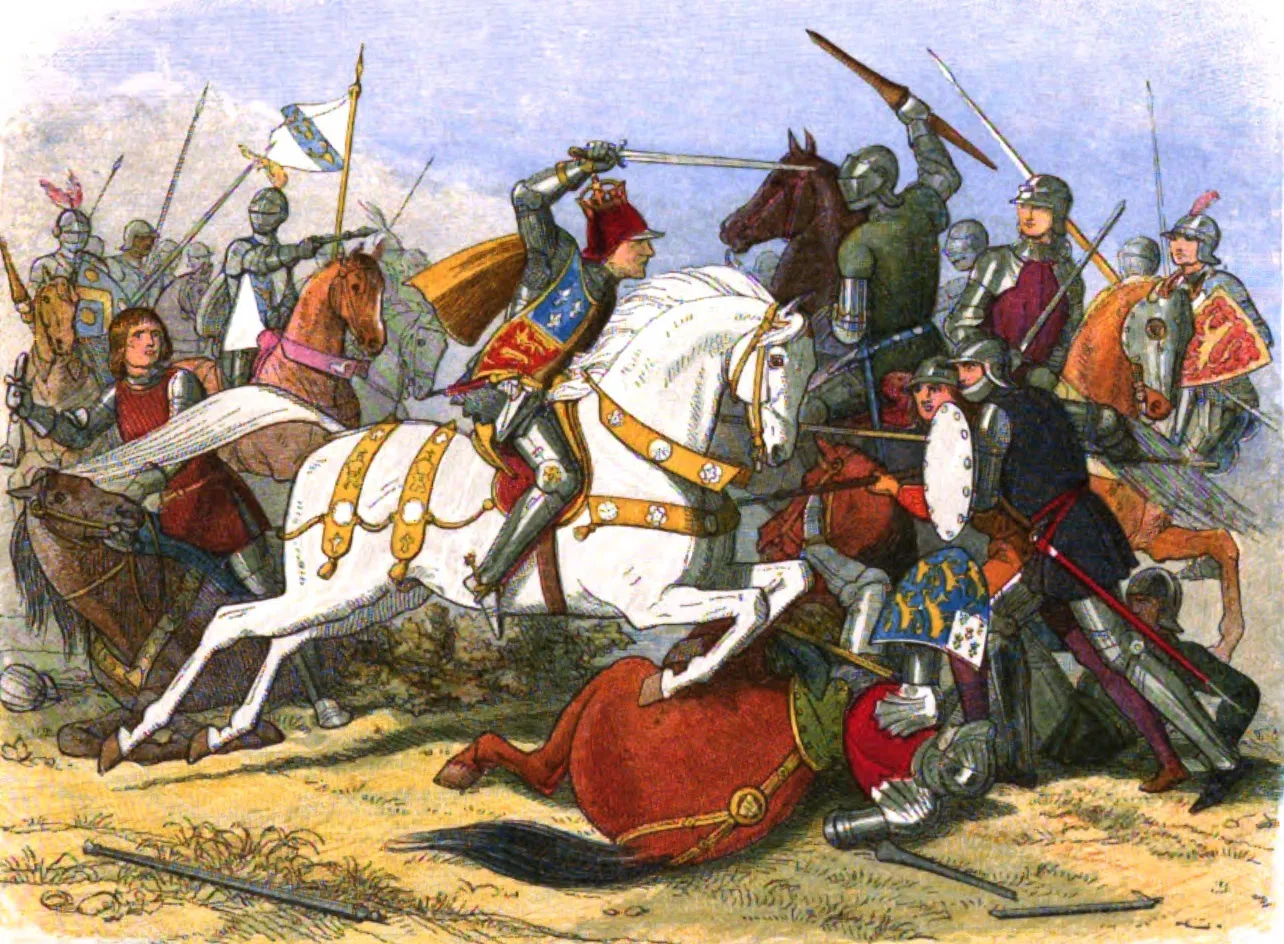
The Wars of the Roses remain one of the most defining periods in English history, a struggle for power between two rival factions: the House of Lancaster and the House of York. Fought between 1455 and 1487, this civil war was not only about kingship, but also about identity, loyalty, and symbolism. Interestingly. These elements still echo strongly in modern football culture today.

According to Norwegian sports sociologist Arve Hjelseth, there are six general factors in defining and characterizing rivalries, they are: politics, religion, geography, sports, social class, and values. The first five are quite common to be found in every league, yet the last one is arguably rare and can be noticed in some of the biggest Danish football derbies.
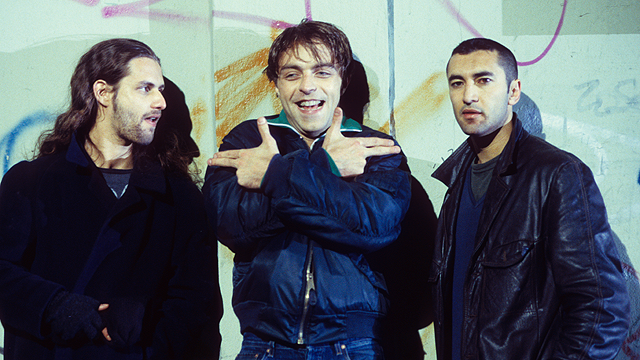
Short, Sharp, Shock, or Kurz und schmerzlos, is a Fatih Akin-directed movie about the life of three friends with immigrant backgrounds in Hamburg that caught in a life of a major crime.
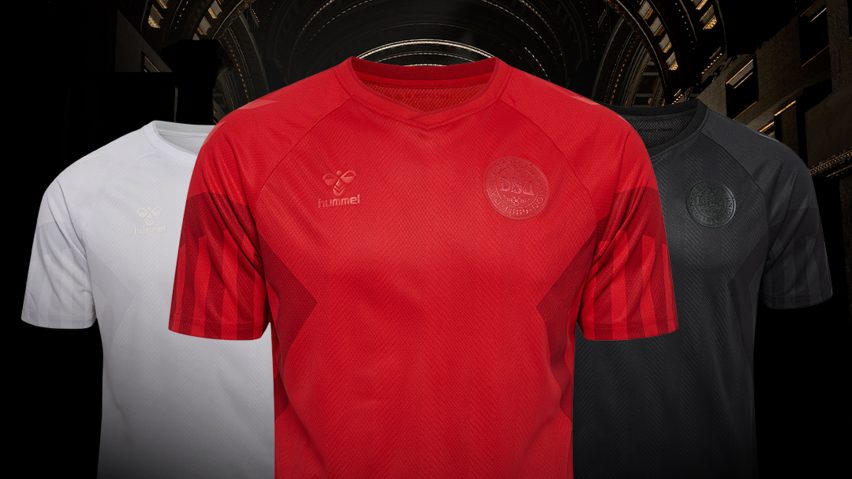
In Qatar 2022 World Cup, Denmark’s jerseys act as a symbol to criticize the human rights record of the host nation. The Danes have a choice of three kits of red, white, and black in which the three of them have the national badge, Hummel logo, and decorative white chevrons, Denmark shirt’s famous feature since the 1980s, toned-down in colour yet remain visible. The Scandinavian country’s black kit option represents the colour of mourning according to Hummel as the kit manufacturer, specifically designed to honor the migrant workers who died during the tournament’s construction work.
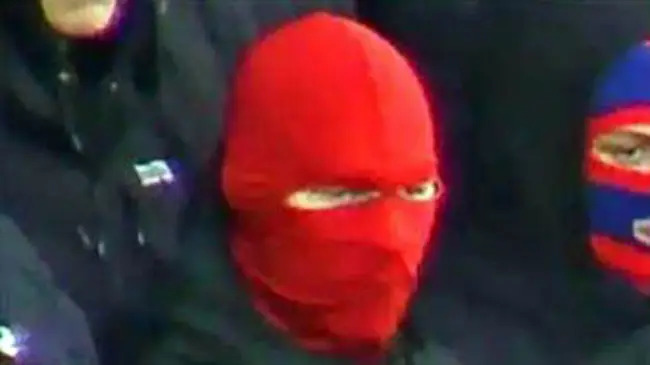
Balaclava, a headgear piece designed to only expose specific parts of the face. Popular among groups whose members prefer to keep their identities under the radar, balaclava comes in different styles and ways it is worn. Born from the military, the second-skin garment’s “dangerous” identity is under threat.